
So now we know – the inclusion of Energy from Waste (EfW) facilities into the UK’s Emissions Trading Scheme (ETS) scheme has been delayed. Unfortunately, this has not come as a great surprise.
The original intention was to expand the UK ETS to waste incineration from 1 January 2028, but last month the Department for Energy Security & Net Zero (DESNZ) announced it was shelving the move for the time being and would set out a ‘new timeline’ in due course. We wait and see what that eventually means.
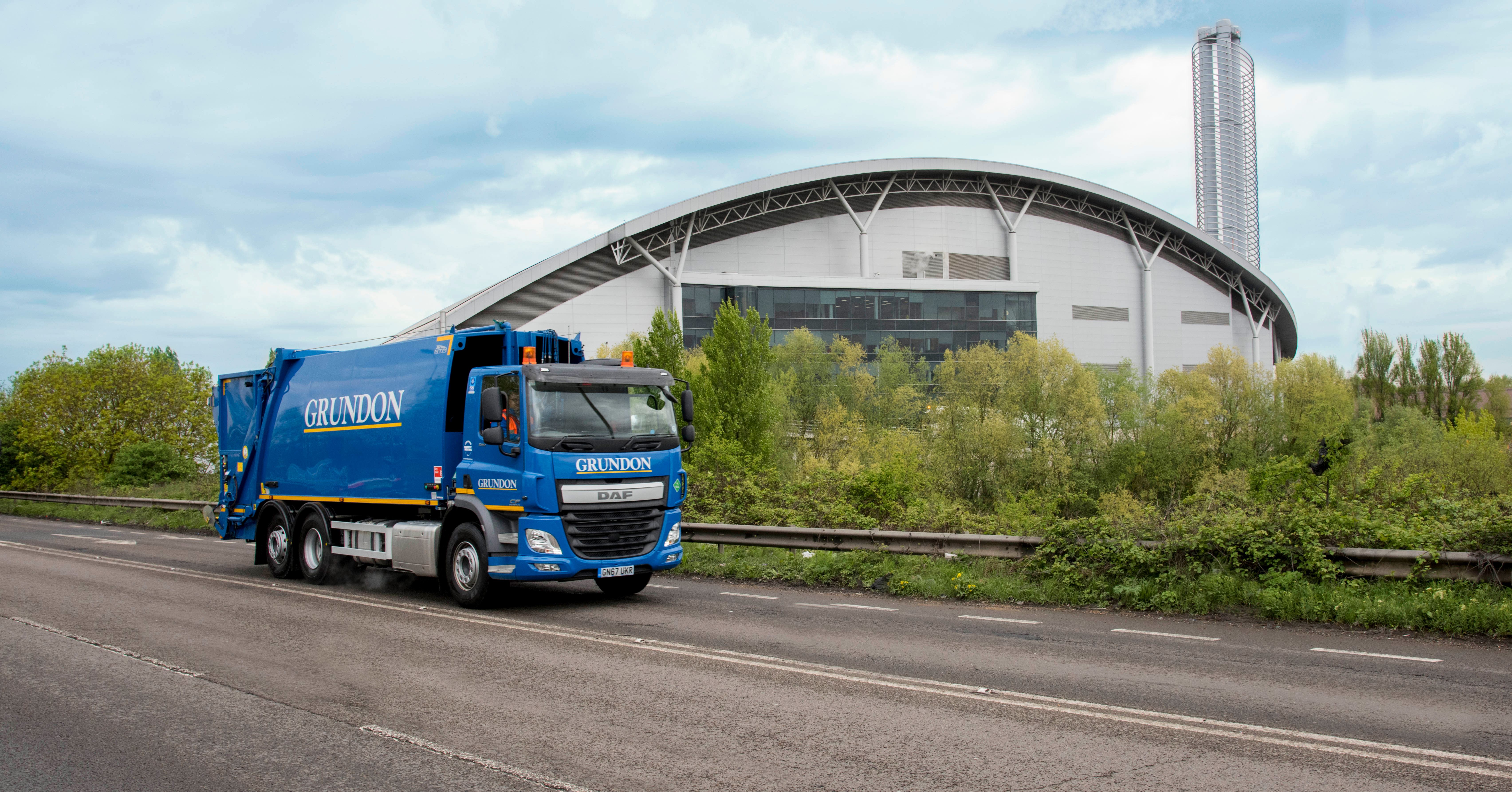
The UK currently operates a two-tier waste management system composing primarily of billions of pounds worth of infrastructure in EfW facilities, recycling plants and transfer facilities; and an alternative system of several organised crime gangs, a few excavators and some bluebell woods in Kent (other bluebell woods are available).
The idea of imposing more costs on the former, whilst playing kiss chase with the latter, will never sit right with taxpayers who ultimately must pay the bill – whichever route is followed.
“The waste industry has already picked up the tab for measuring previously unmeasurable emissions and flown countless samples around the world to laboratories full of grinning young research scientists, who have taken a break from glueing themselves to the nearest highway to give us the unsurprising news that around half of what we throw away is plastic.”
Given that at least half of this plastic is pretty much vital to the way we live, and that we are not going to see an end to it; and the other half is stuff that’s used to wrap items that medicate, clothe, and feed us, the idea of capturing emissions from the combustion of this plastic is sound.
It is a slightly easier proposition than doing away with it, or finding alternatives, not withstanding the fact that we should keep trying to do so.
The ETS would have been the first stage of that, effectively capping emissions, and then putting a price on carbon.
What it didn’t do however, was pave the way for what to do with the CO2 that would have been captured. The only answer for which is to stick it back from whence it came – out of a big underground cave in the North Sea – a solution that needs pipes, ships, trains and a friendly well owner. None of which seem particularly forthcoming, unlike our Norwegian neighbours who in their Scandi wisdom at least put the horse before the cart.
In effect, what the proposals would have done is placed even more costs on a system that is already haemorrhaging tonnage to unregulated players, whilst squeezing local authorities and taxpayers at the same time.
There is a glimmer of light (or is it hope?) that comes from the DESNZ statement when it states that alongside the new timeline will come ‘…full details on final policy design, with sufficient time for the waste sector to implement.’
There have been some astounding minds at work on the ETS, and solutions will abound, but not until the economic conditions are right. So, it’s probably best that we level the playing field first.