
Most businesses have got their waste management covered – general waste collections, recycling and food waste disposal are often part of day-to-day operations.
But what about the liquid waste you can’t see?
Across commercial sites, such as offices, industrial estates and retail locations, hidden systems like interceptors, drains, sewage tanks and grease traps are quietly collecting contaminated liquids every day. Whilst they’re out of sight, they shouldn’t be out of mind. Without regular maintenance and professional waste removal, these systems can quickly become a compliance risk.
If your site has a car park or a drainage system there’s a strong chance you already have an interceptor installed to capture the oil and fuel run-off.
To help break it down, our Commercial Manager – Hazardous Waste, Paul McConaghy, shares what businesses need to know about liquid waste disposal, and why it’s probably more relevant to your business than you may realise.
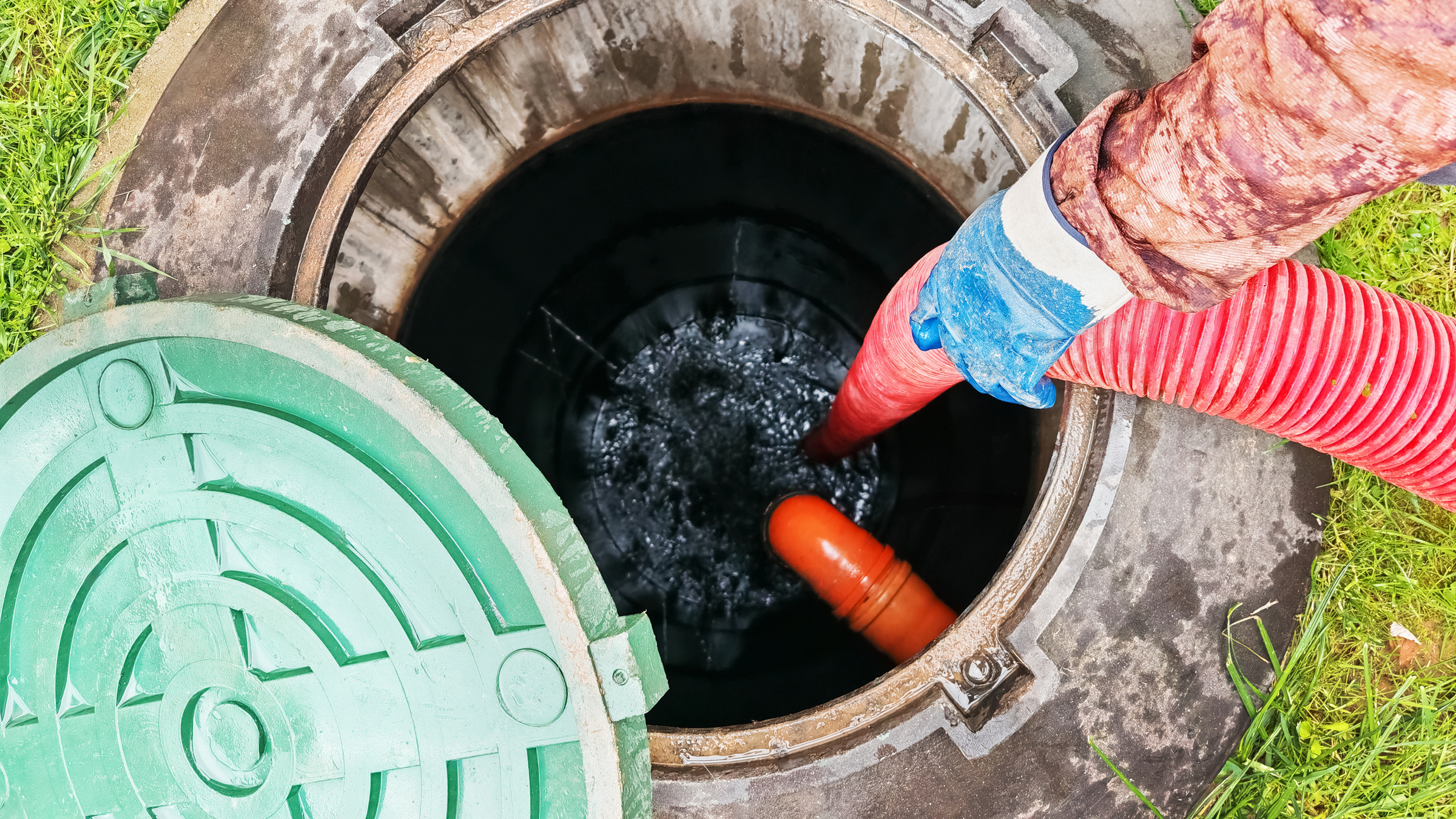
Most commercial sites have an interceptor installed – and your business is likely no exception.
If you do have an interceptor on site, you have a legal responsibility to manage the waste it collects. Interceptor waste is classed as hazardous waste and if not handled correctly, it can lead to environmental risks, operational disruption and potential fines.
That’s where Grundon’s Tanker service comes in. With specialist vehicles, compliant disposal routes and expert support, we ensure this hidden waste stream is safely removed from your site and treated correctly, keeping your business running smoothly and within regulatory requirements.
What is interceptor waste and what you may not realise
For those who are not sure what an interceptor is, it is a system designed to capture oil, fuel and other contaminants before they enter the drainage system, commonly installed in car parks, forecourts and vehicle wash areas. Over time they build up a mix of contaminated water and sludge that is classified as hazardous waste.
The challenge is that, because these systems aren’t visible, they’re often forgotten about and many don’t realise these systems exist on their site, or if they do, they’re not seen as part of day-to-day waste management. Meaning its often only dealt with when a problem arises.
Why it matters: Compliance and risk
Interceptor waste is classified as hazardous, and as a business owner you have a legal responsibility to ensure its handled, removed and disposed of by a licensed waste collector like Grundon.
Failing to do so can lead to environmental harm, disruption to your operations and potential fines.
Taking a proactive approach to interceptor waste management reduces these risks, ensures compliance and helps avoid expensive emergency call outs.

Why choose Grundon for your liquid waste collection?
Businesses choose Grundon because we provide a reliable liquid waste collection service using our specialist tanker fleet. This includes:
- Collection and disposal of interceptor waste, grease traps, contaminated waste and other liquid waste streams
- Specialist service for sites of all sizes and complexities
- Scheduled interceptor cleaning on a quarterly, six-monthly or annual basis
- CCTV drainage look and see to inspect system condition
- Preventative maintenance and monitoring
- Full drain cleaning services
- Fully compliant waste treatment and disposal
With expert support, flexible service options and compliance assurance from collection through to treatment, we give you confidence that even the waste you can’t see is being managed and disposed of properly.
Contact our specialist hazardous waste team today to learn how our dedicated tanker service can support your liquid waste collection requirements. Email hazardous@grundon.com
Alternatively, for more information on this service visit our Tanker Services webpage.